Never a Number
A journalist, a murderer, an improbable friendship

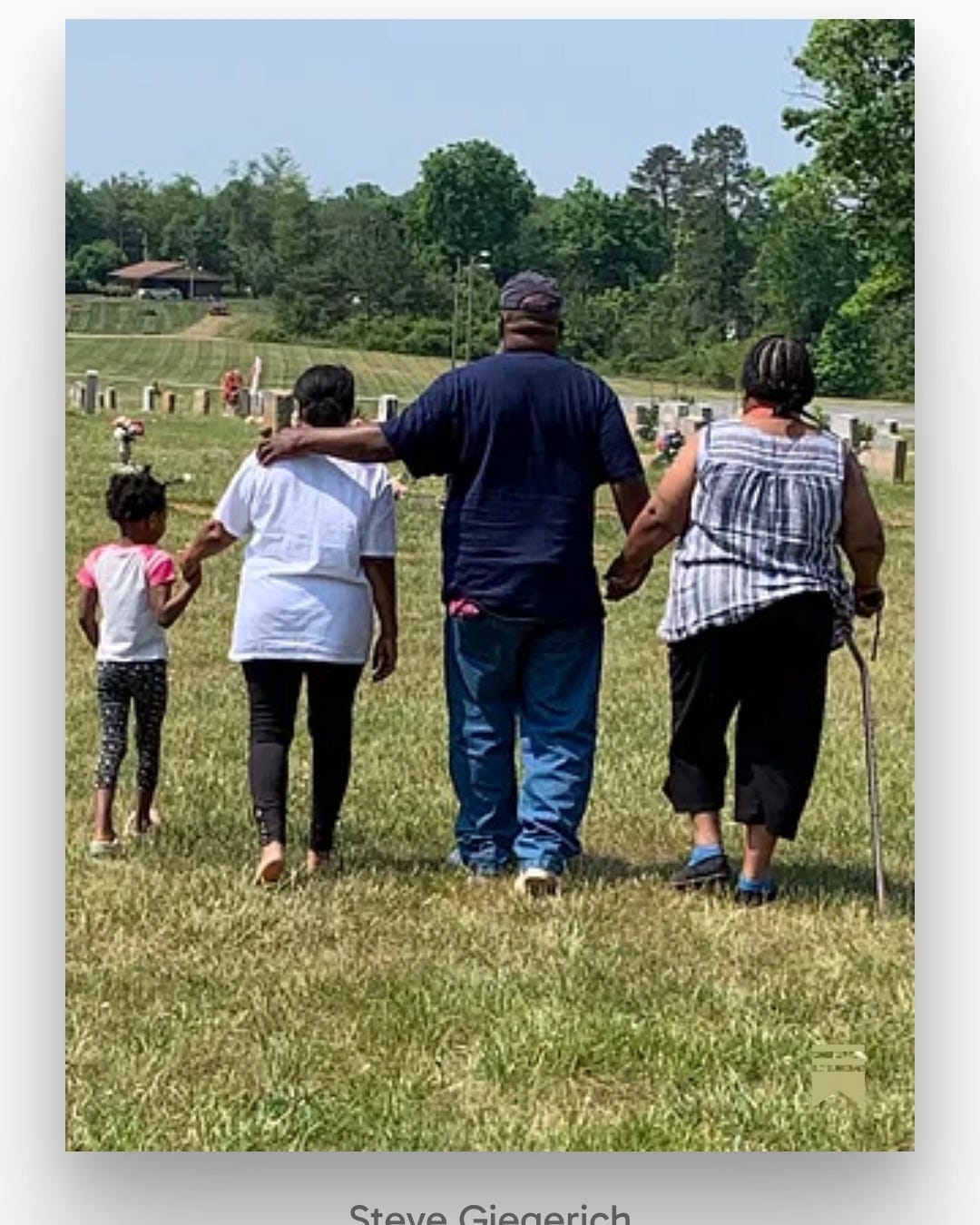
THIRTEEN
Falling out of touch
The threat of an extended stay hung over every inmate entering the system through an intake portal at the Virginia State penitentiary. In that, 21-year-old Ben Brim caught a break with a speedy transfer from the “most shameful prison in America” to the outpost where, as it happened, he would reside into middle age.
Spread across 2,800 acres in a rural county northwest west of Richmond, the (since closed) Powhatan Correctional Center’s production of agricultural and manufactured goods contributed to the economic output of corrections system once credited with saving millions of Virginia taxpayer dollars each year.
A 2023 You Tube video by a former Powhatan inmate characterized the working conditions that made those gains possible as “slave labor.”
The Powhatan assignment marked Brim’s second stint with the Virginia Department of Corrections.
Not yet two years removed from a bungled breaking and entering that landed him in a low-security prison camp for 12 months helped ease the transition from civilian life to the regiment of count times, spare accommodations, dreadful meals, and monotony.
Fellow residents in an “honor block” of low maintenance inmates left each morning to tend Powhatan crops, slaughter the pigs and cattle for meat served in prison mess halls, stitch prison-issued clothing in the sewing shop, manufacture license plates, and silk-screen posters for Division of Motor Vehicle offices and state-operated retail Alcoholic Beverage and Control Authority (ABC) stores.
His cognitive challenges meanwhile relegated Brim to janitorial and kitchen chores - limitations that didn’t stand in the way of bonding with friends over football, NASCAR or playing a serviceable right field for the unit softball team.
We were discussing Powhatan shortly after his parole when Brim excused himself from the conversation to retrieve a scrapbook of yellowed greeting cards and mementoes saved from the early years of his confinement. He handed me a Polaroid of a bodybuilder hoisting 225 pounds of iron in the Powhatan weight room - a young man with a goatee and full head of hair with a slight resemblance to the heavy set, bald, sixty-something seated next to me.
“Buff,” I marveled.
Brim extracted a second image of a weary, middle-aged woman staring blankly at the instant camera.
“Your mom?”
“Drunk,” Brim said, slipping the photo back to the scrapbook.
Isabelle, with children and stepchildren in tow, each May pilgrimaged - first to Powhatan and, following a 1989 transfer, the Nottingham Correctional Center - to celebrate Ben’s birthday with cake and a hamper of fried chicken that would never make it past a security checkpoint in the draconian visitation policies of today.
The trash-talking Brims shattered the quiet of visiting rooms from arrival through the departures that berefted Brim for weeks on end.
Isabelle sometimes managed to squeeze in an extra trip around the holidays, visits that dwindled - as did the birthday observances - along with declining health.
Brim was back in Powhatan when she died May 15, 1997, at the age of 71.
His status as an honor inmate with a clean record made Brim eligible to attend the funeral and interment at the Mayo Missionary Baptist Church funeral and cemetery under the supervision of two corrections officers - travel contingent on the family covering the security costs associated with the 350-mile round-trip to Henry County and back.
Outfitted in civilian clothes, Brim after the morning count was escorted to the state vehicle the COs promised would depart as soon as Western Union notified Powhatan officials that family members had purchased the necessary money order.
Brim waited in the car for an hour, then another. A caseworker informed him of an effort to enlist the church, undertaker or anyone with the wherewithal to bring him home, however briefly, for the first time in 22 years.
Brim dozed off, awakened by a gentle tap. The caseworker’s face conveyed what didn’t need to be told.
With his mother’s passing came an end, as well, to raucous family visits. Unable to navigate the prison exchange independently, Brim’s unit helped him telephone Willie Mae, Paul and Jessie in the months following her death.
Willie Mae once the calls tapered off continued to send a greeting card to her brother each Christmas and birthday - the cards which Brim in turn faithfully tucked into the scrapbook shared with me decades later.
Hearing nothing in return (”Ain’t no one heard from in years,” she told me the first time we met), Willie Mae guessed the last card went out in 2002.
The state a year later moved Brim to the Buckingham Correctional Center in Dillwyn - where he was still living in 2014 when I punched his name into the Department of Corrections inmate finder.
Unaware a mere keystroke could have disclosed his whereabouts, the extended Brim family gradually came to terms with the loss of a loved one all assumed had died in custody.
No one had informed them otherwise.
Until I came along.